
The Phule We Remember: As Remembered by Jacob B. Israel
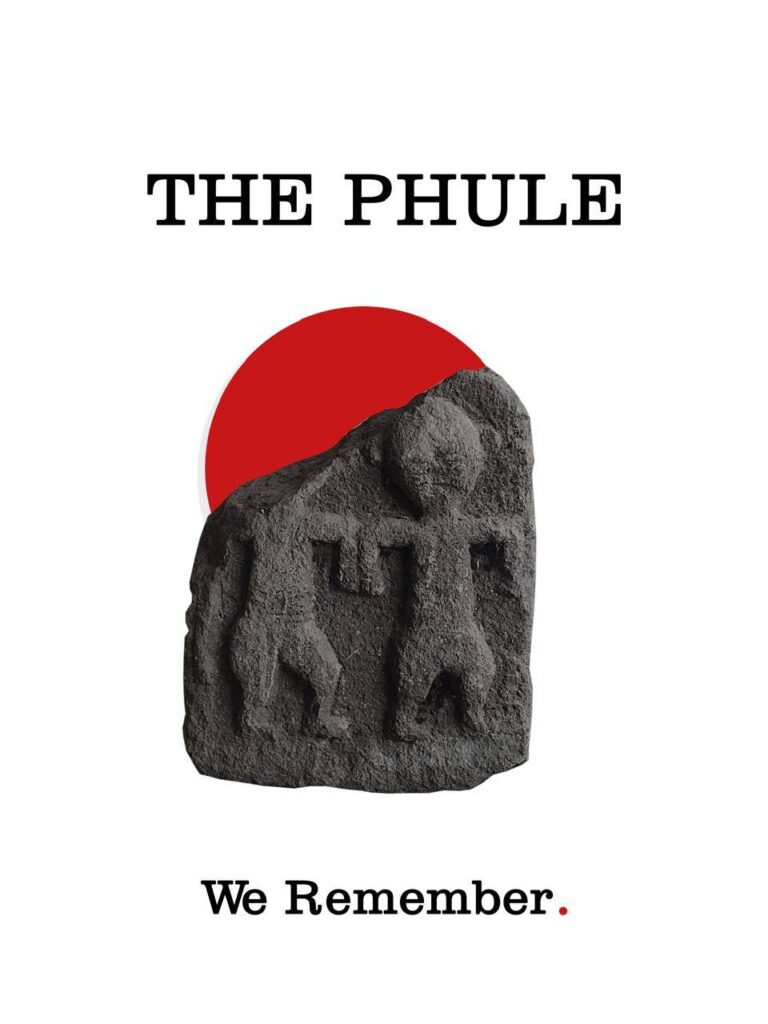
When Jotiba Phule had started the movement which had an idea for the country’s upliftment, I was at the beginning of my youth and was pursuing my education. I was drawn towards Jotirao’s movement; it inspired respect in me, and I started thinking about it.
The Hindu religion used to be in a deplorable state at that time. Many gods were worshipped, and as an effect, mutual differences and caste discrimination were on the rise. The idea to improve the condition of Hindu society, to eradicate religious and caste differences, and achieving unity in humanity through monotheism first occurred to Jotiba. He made considerable efforts in this regard, uniting Hindu society to a large extent. Performing rituals is not true religion. He taught the Hindu society that true religion is in maintaining pure conduct and in surrendering to God. By doing this, Jotiba laid the real foundation for the country’s upliftment.
Jotiba worked to provide education to oppressed castes, and it was his efforts that helped them enter trades and employment that were considered ‘respectable’. Inspired by his efforts, I also made similar efforts in my government job, bringing comfort to people’s lives. When Jotiba began these efforts, every government post was held by the Brahmin caste. Right from the top to the bottom, they would conspire against others. In order to request an audience with the saheb one had to appeal to a (Brahmin Officer) Ammaldar. Hence, bribery was rampant. In Brahmin-dominated regions like the Aundh (principality), the Brahmins evaded imprisonment, in spite of committing crimes and yet, people from non-Brahmin castes were interrogated in several ways. Jotiba began challenging this Brahmin dominance, and showed society the path to true freedom and prosperity.
In this way, Jotiba laid the foundation for reforms within the Hindu religion and community, and tirelessly worked towards these goals. This is in no way a small act of service towards fellow countrymen. Just as Martin Luther dispelled the darkness in Christianity, Jotiba dispelled Brahmanical darkness in the Hindu religion, and ignited a true flame within it. It would be fitting to describe him as India’s Martin Luther.
(Jacob B. Israel’s memory has been translated by Vidya Kulkarni, edited by Ninad Pawar and Rucha Satoor, and peer-reviewed by Suraj Thube.)