
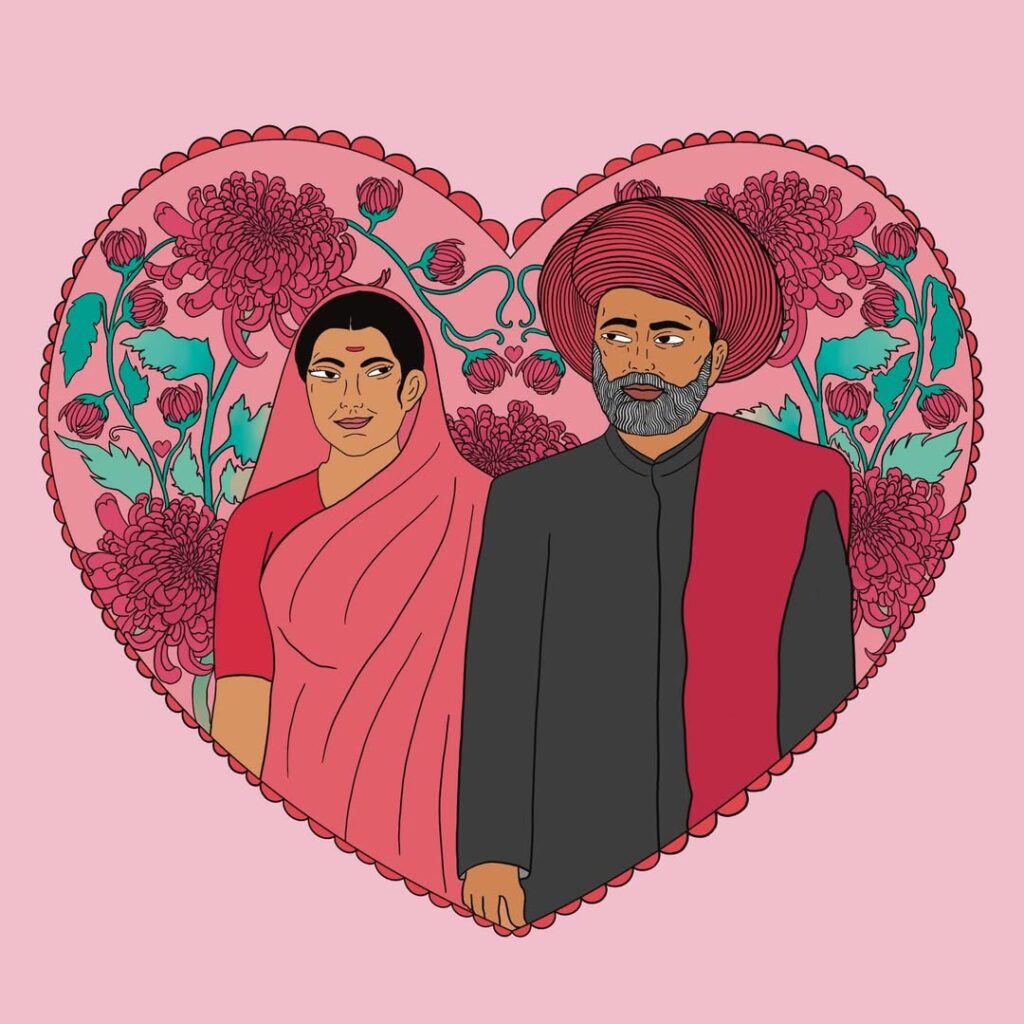
This week we published the last chapter from the book The Phule We Remeber on The Satyashodhak. I am very grateful to the Abrahminical Histories of a City Collective, Pune for taking up this project and shepherding it successfully. They sought translation rights from the Samata Pratishthan, brought translators on-board, edited the draft and took care of all the other finer details. I am thankful to them that they chose The Satyashodhak as the publishing partner for this project. They were very clear that the book should be publicly accessible to the readers and therefore they decided to publish it online first. But they have plans to come out with a print edition as well — I will eagerly wait for it.
We published the first chapter (the introduction to the Marathi edition by Sitaram Raikar) on September 24, 2025, on the occasion of the foundation day of the Satyashodhak Samaj. We set upon the schedule of publishing one chapter a week and tried to stick to it as much as possible. As the editor of The Satyshodhak, I was in charge of doing the final copy check before publishing every Monday, which meant I got to read each chapter multiple times — something I couldn’t complain about.
Jotirao Phule passed away in 1890. The memories in the book were composed in the late 1920s on the request of Pandharinath Patil — the Satyashodhak Samaj member and the first person to publish a full-length (but relatively short) biography of Jotirao Phule in 1938. All the writers featured in the book had a connection with Phule: some were fellow members in the Samaj, some his relatives, while others were students in his boarding facility. In all their recollections, we see the respect and love they had for both Jotirao and Savitribai. The writers give more space to Jotirao in their memories as they were instructed to do so by Patil: further, this is a reflection of the fact that Jotirao was widely considered a public figure in the 1920s but Savitribai yet wasn’t. Even then, the chroniclers felt compelled to mention Savitribai and they speak eloquently about her personality, her love for people and her contribution to the Satyashodhak movement.
There is a particular reason why Pandharinath Patil embarked on his quest of finding biographical material on Jotirao Phule in the late 1920s. In 1925, Satyashodhak Keshavrao Jedhe, who was a member of the Pune municipality at the time, demanded that the municipality sanction funds to erect a statue of Jotirao Phule. The municipality had built a statue of B. G. Tilak just a while ago in Pune’s Reay Market with public funds and therefore the Satyashodhaks demanded a similar honour for Jotirao. The Brahmin faction and the non-Brahmin Tilakites did not like this proposal and the whole thing turned into a huge controversy between Satyashodhaks and Tilakites that engulfed Pune for many months of 1925 and 1926. The Satyashodhaks had kept alive Phule’s memory since his death more than three decades ago but the non-Satyashodhaks were mostly ignorant of the monumental work he had done for the Bahujan masses. In order to malign his image, the Tilakite faction started spreading hateful comments about him: a pamphlet titled Satyashodhak or the Servant of Jesus Christ that acquired wide circulation and notoriety during this time is quite emblematic of this propaganda.[1]I believe it was due to these allegations by the Brahmin lobby — that Phule was a stooge of the Christian missionaries — that a few writers in The Phule We Remember characterise him as a Hindu … Continue reading
Witnessing these virulent and baseless attacks on Jotirao Phule and mischaracterisation of his work, Satyashodhaks felt agitated. They took to the streets but also wrote copiously in the sympathetic newspapers and periodicals.[2]Satyashodhak Dinakarrao Javalkar’s pamphlet Deshache Dushman too was published in the middle of this controversy in July 1925. The ferment that the statue controversy generated led to the rediscovery of Jotirao’s life and work among the masses. A contributor with the pseudonym Kunbi wrote in the Times of India, “Out of evil has come good. It has revealed the inner life of One [Jotirao], who devoted his life and everything that makes life a matter of joy and happiness, to the up-lift of the depressed and the backward communities for more than a generation.” (‘The Forgotten Reformer: A Tribute to Mr. Fule’, Times of India, September 16, 1925)
It was in the backdrop of the statue controversy of 1925 and the virulent Brahminical propaganda against Jotirao that Pandharinath Patil started reaching out to Jotirao’s colleagues and sought their testimonies. Patil wrote in the preface to his biography of Phule, “As the ocean of Mahatma Phule’s principles began to spread and permeate everywhere, his enemies started spreading misconceptions about him, while the champions of his principles began collecting every piece of information they could find about him.” Patil was based in Chikhli, a small town in Maharashtra’s Vidarbha region. It was dedicated Satyashodhaks like him with whatever resources they had who carried on Phules’ legacy and continued the work of Satyashodhak Samaj post his death.
Below is the complete list of chapters from The Phule We Remember.
- The Phule We Remember: An Introduction by Sitaram Raikar
- The Phule We Remember: As remembered by Damodar Savalaram Yande
- The Phule We Remember: As remembered by Lakshmanrao Devrao Thosar
- Snapshots from Mahatma Jotirao Phule’s life
- The Phule We Remember: As remembered by Mahadu Sahadu Waghole
- The Phule We Remember: As remembered by R. S. Ghadge
- The Phule We Remember: As remembered by Gyanoba Krushnaji Sasane
- The Phule We Remember: As remembered by Laxman Karadi Jaya Lingu
- The Phule We Remember: As Remembered by Govind Bhau Patil Dumbare
- The Phule We Remember: As Remembered by Jacob B. Israel
- The Phule We Remember: As Remembered by H. A. Talcherkar
- The Phule We Remember: As Remembered by K. A. Keluskar
- The Phule We Remember: As Remembered by Sambha Bhaguji Hamand
- The Phule We Remember: As Remembered by Gajananrao Ganpatrao Phule
- The Phule We Remember: As Remembered by Tukaram Hanumantrao Pinjan
- The Phule We Remember: As Remembered by Gyanoba Krishnaji Sasane – 2
Notes
| ↑1 | I believe it was due to these allegations by the Brahmin lobby — that Phule was a stooge of the Christian missionaries — that a few writers in The Phule We Remember characterise him as a Hindu social reformer — the label that I personally don’t agree with. |
|---|---|
| ↑2 | Satyashodhak Dinakarrao Javalkar’s pamphlet Deshache Dushman too was published in the middle of this controversy in July 1925. |
Congratulate all agencies & individuals for their painstaking effort involved in bringing to light, for the English language readers, the magnificent work of Mahatma Jyotiba Phule through the views of those who experienced it all.